
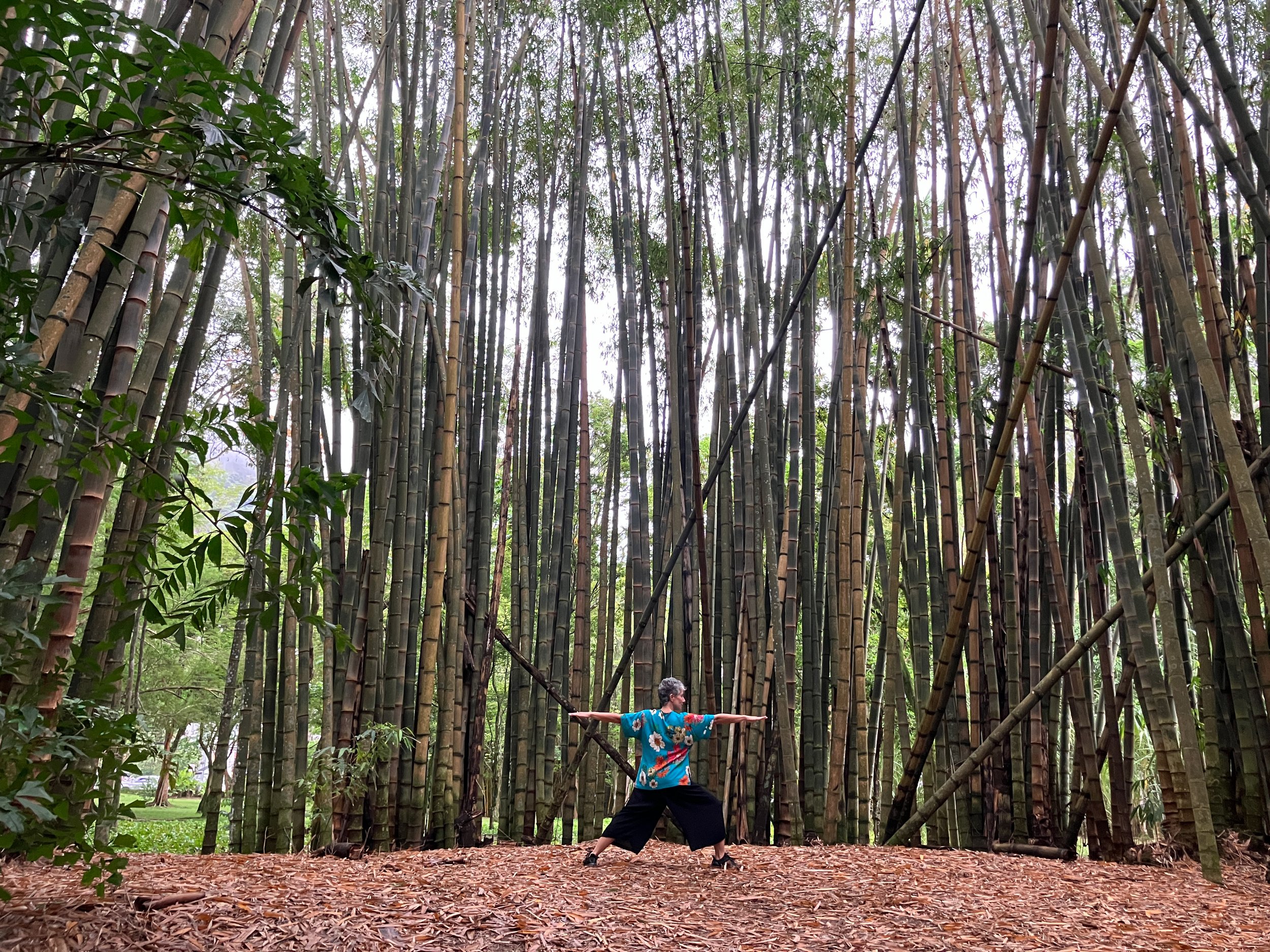
Belonging is a practice.
In territories, in institutions,
in ourselves.

ojaskara brings together field, body and archive — developing situated practices of belonging at different scales.
Three axes interweave:
-

Field
Territory & Intervention
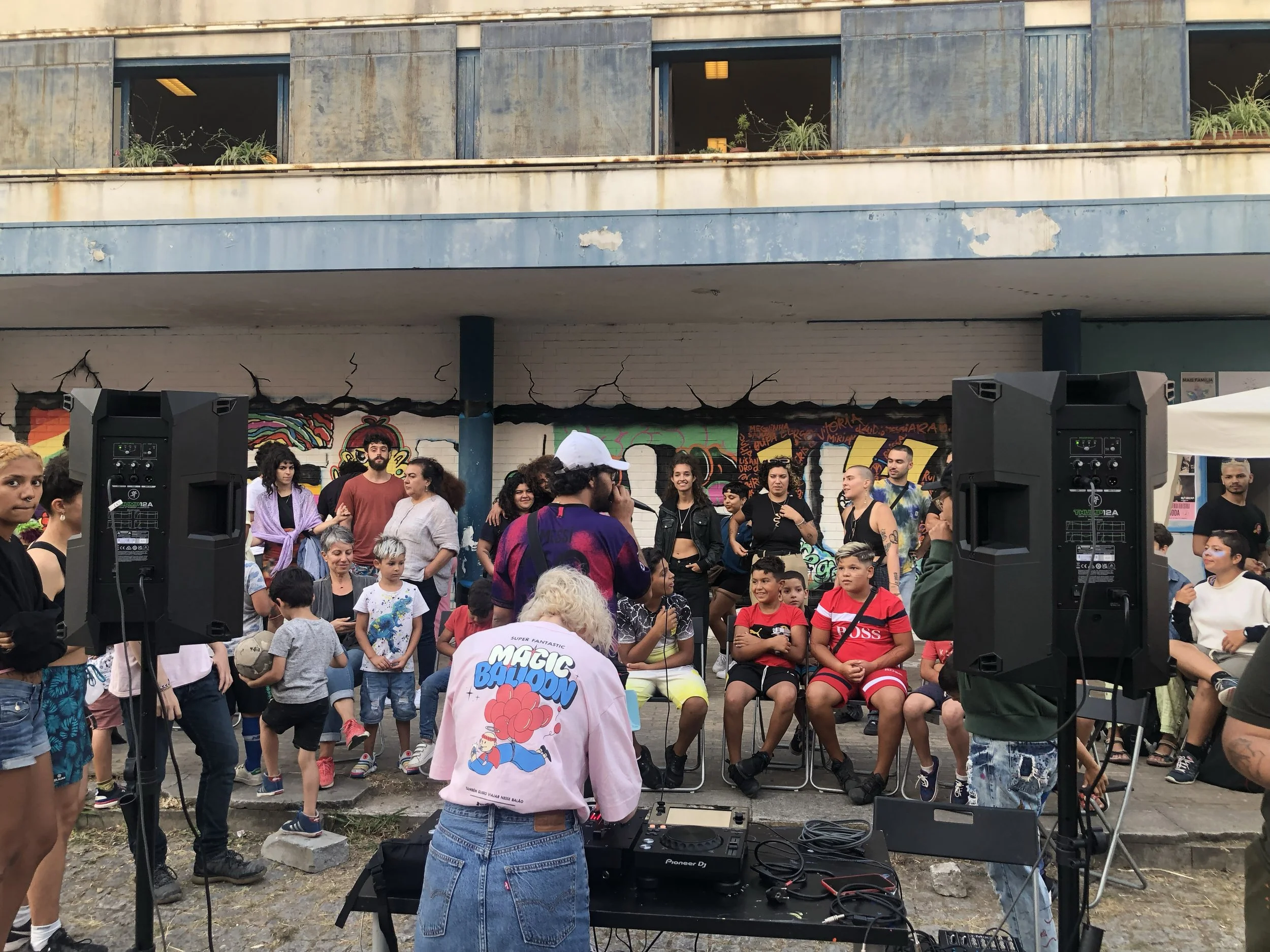
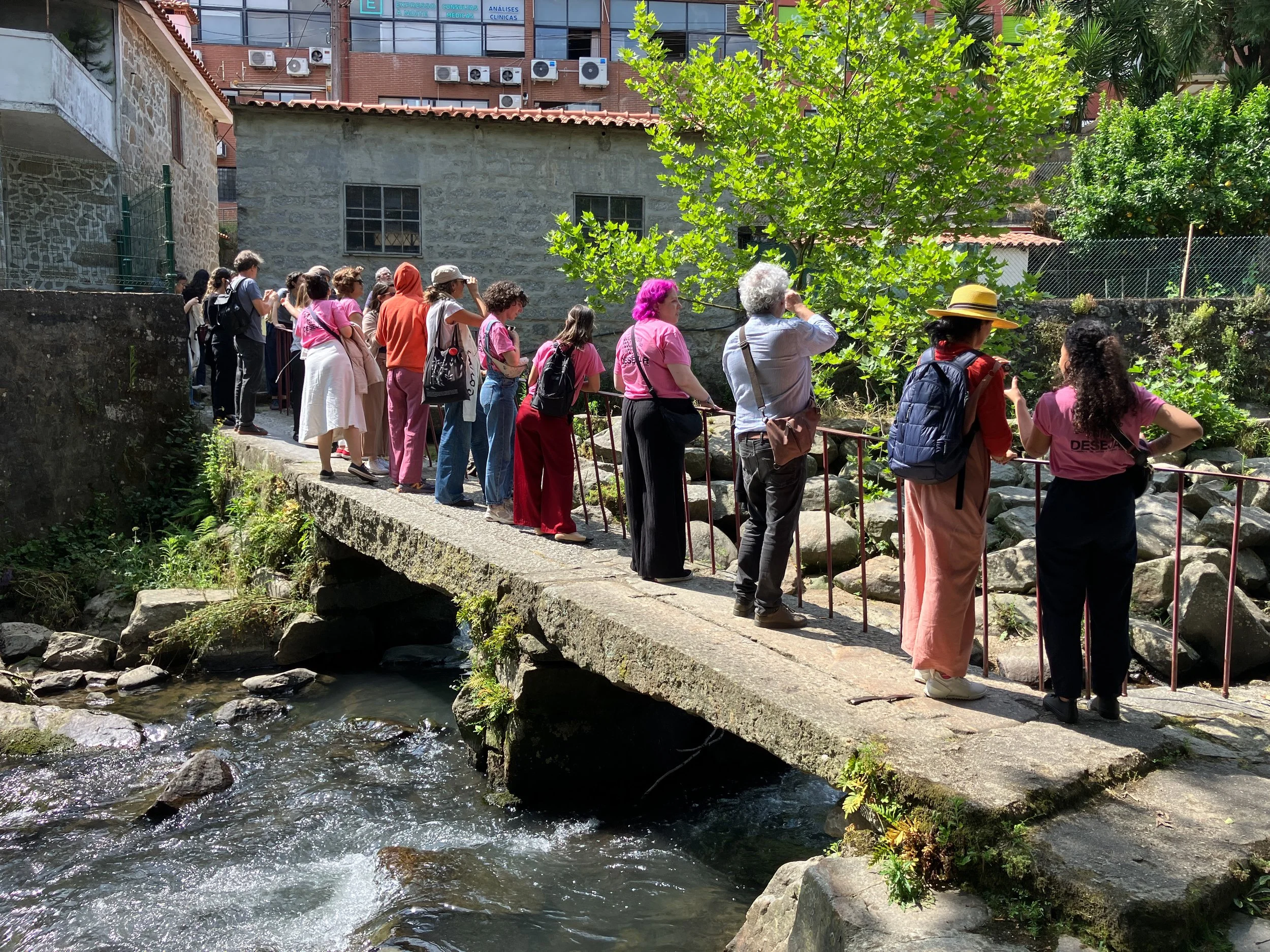
Situated practices in cities, institutions, and social contexts. -
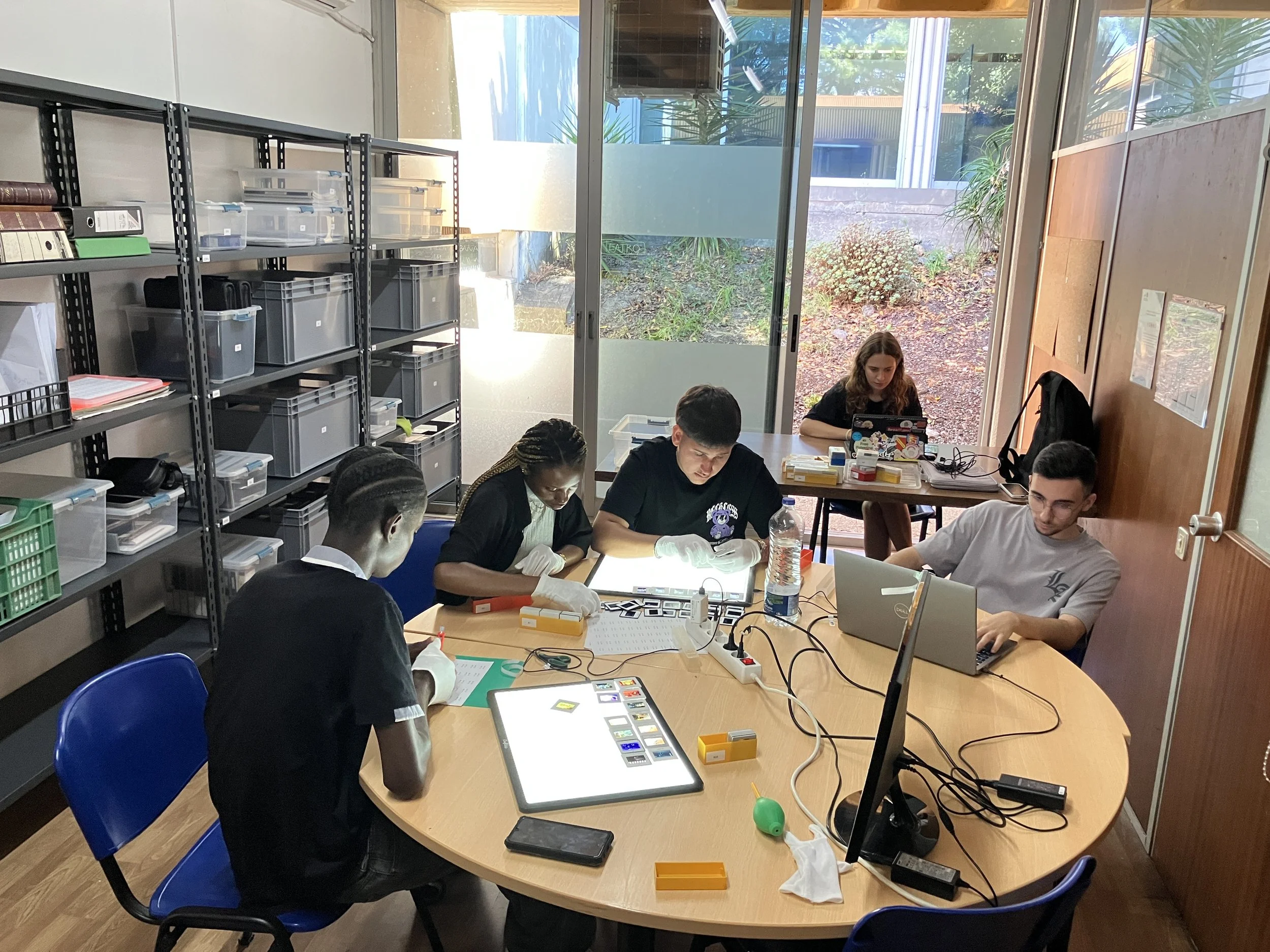
Archive
Archive & Memory
Organisation, activation, and critical interpretation of collections and narratives. -

Body
Vedic Knowledge
Jyotish, Yoga, and Ayurveda as practices of orientation and temporality.
With institutions and territories
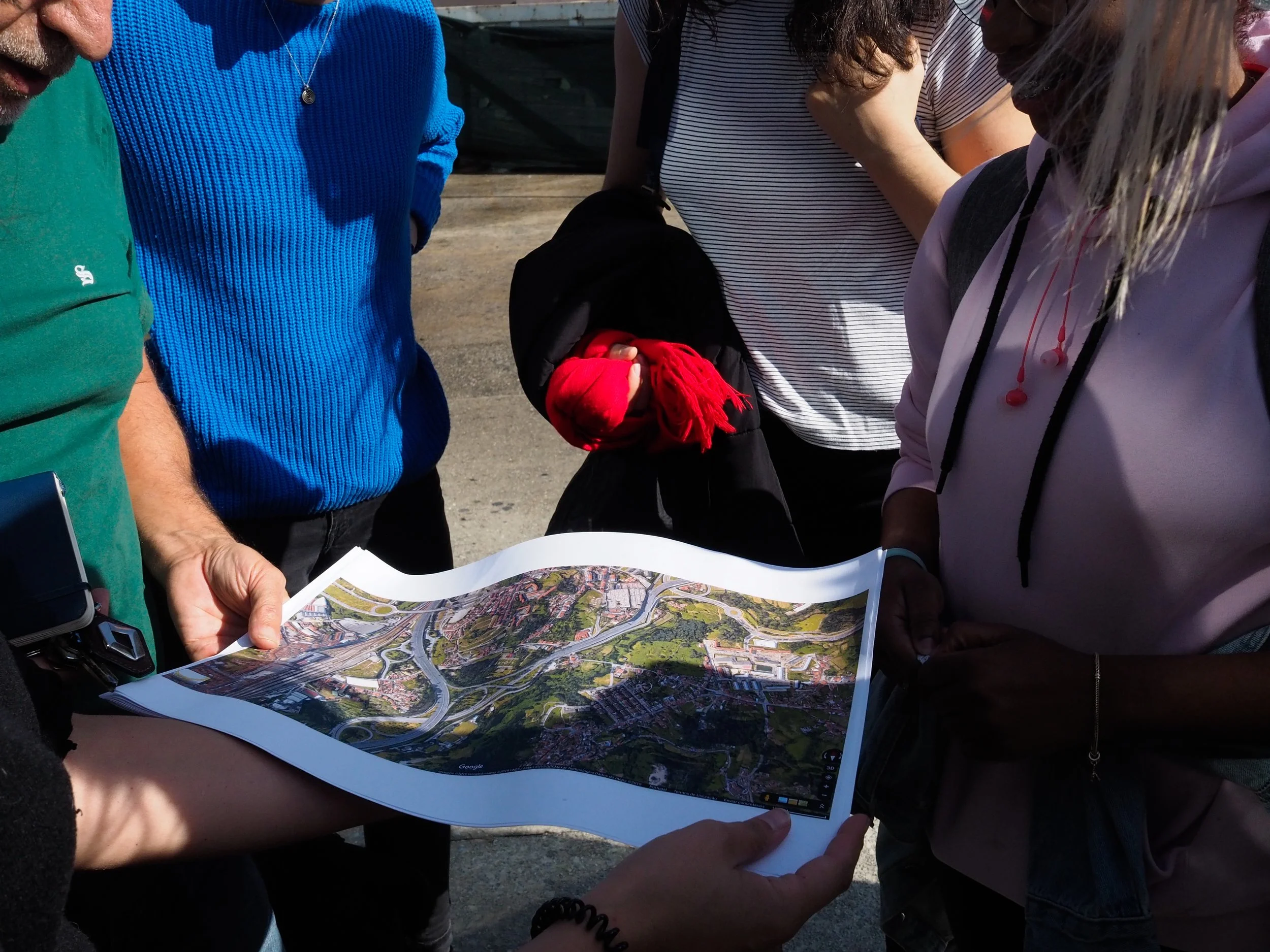
Cultural projects, diagnostics, archives, cartographies, evaluations
With people
Jyotish readings for moments of transition and reorganisation of meaning
Fernanda Curi
I am an architect, museologist, and researcher — and for over thirty years I have been working with the same question: what makes people, institutions, and territories feel at home in the world?
That question took me from architecture to museology, from the archive to the field, from São Paulo to Amsterdam, Madrid, Paris, and Porto. It also led me to the Vedas — to Jyotish, Yoga, and Ayurveda — not as a parallel path, but as another way of reading the same thing: cycles, patterns, belonging. A practice of more than a decade, with formal training in all three traditions.
I hold a PhD in Architecture and Urbanism from the University of São Paulo and an MA in Museology from the Reinwardt Academy, in Amsterdam. I have developed research and projects in cultural institutions, universities, and European programmes — including the Fundação Bienal de São Paulo and European research projects, among them the Horizon 2020 programme (University of Coimbra).
Ojaskara is where all of this converges — not as a tidy synthesis, but as a practice in progress.
One essay per month accompanies this journey.
No spam · unsubscribe anytime
